UTM Parameters in Plain English (With a Short-Link Workflow)
Five tags you bolt onto a link so your analytics can tell your newsletter from your Instagram bio. What each one means, how to name them so they survive a team, and how to stop the ugly link reaching anyone.

Michael Page · Published Oct 11, 2026 · 5 min read

You post the same link in four places. A week later your analytics says 300 people arrived, and you have no idea which of the four sent them.
UTM parameters fix that. They are five optional tags you add to the end of a link so that when someone clicks it, your analytics knows where they came from.
They are not complicated. Most explanations just never translate them.
The five tags, translated
A tagged link is an ordinary link with extra information bolted on after a question mark. The page ignores it; your analytics reads it.
- utm_source — where. The specific place the link sat: newsletter, instagram, partner-site. If someone asked "where did you post it?", this is the answer.
- utm_medium — how. The kind of channel: email, social, cpc, qr. Keep this list short. Three or four values should cover everything you do.
- utm_campaign — why. The push this link belongs to: spring-sale, launch-week. Everything promoting the same thing shares one campaign name.
- utm_content — which version. Only when two links in the same place point at the same page: header-button versus footer-link. Lets you tell two variants apart.
- utm_term — the search phrase. Paid search only. You will probably never type it by hand.
In practice, source, medium and campaign do the work. The other two are for when you need them.
Naming rules that survive a team
UTM data goes wrong for one boring reason: two people tag the same thing differently, and the analytics treats them as separate sources. Half your email traffic under "email" and half under "Email" is worse than no tagging, because it looks precise while being wrong.
- Lower case, always. Most analytics tools treat Newsletter and newsletter as two different sources.
- Hyphens, never spaces. A space becomes %20 and makes a mess of reports.
- Decide the medium list once. Write down the handful you allow and do not improvise new ones mid-campaign.
- Be specific with source, general with medium. Source is the exact place. Medium is the category it falls into.
Write the agreed values somewhere the whole team can see. A shared note beats everyone's memory.
Why you should not post the raw link
A fully tagged URL is long, full of question marks and ampersands, and looks like something you should not click. In a printed caption or an Instagram bio it is unusable, and in a message it reads as spam.
There is a practical problem too. Some platforms strip or rewrite query parameters when they shorten links for display, and then your tags never arrive.
The short-link workflow
Build the tagged link, then hide it behind a short one. Readers see something clean; your analytics still receives every tag.
- Write the destination URL with its UTM tags.
- Shorten it.
- Post the short link.
Our link shortener does this and counts the clicks itself, which gives you a second number worth having: how many people clicked, independent of whether your analytics tag ever fired on the destination page.
That gap matters more than people expect. Ad blockers, privacy settings and a reader closing the tab early all stop analytics firing. The redirect is counted before any of that can interfere, so a short link will usually report more clicks than your analytics reports sessions. Neither number is wrong; they measure different moments.
What a click actually records
Worth being specific, since "click tracking" sounds more invasive than it is. A click here stores the time, the referring page, an approximate country, city and region, and the browser, operating system and device type.
It does not store who clicked. The visitor's address is kept only as a salted hash — the address itself is never written down, never stored and never shared. That is enough to tell Instagram from the newsletter, and not enough to identify a person.
Reading the results without fooling yourself
- Compare like with like. A newsletter to 500 engaged subscribers will out-convert a social post seen by 5,000 strangers. Judge each channel against its own history.
- Watch the ratio, not the total. Clicks rise when you post more. Clicks per send, or per impression, tells you whether the message improved.
- Give it a week. Email traffic peaks within hours; social trickles for days. Calling a result on day one usually means calling it wrong.
- Tag everything or nothing. One untagged link quietly poisons the comparison, because its traffic lands in "direct" and makes every tagged channel look smaller.
A worked example
You are promoting one landing page in three places during launch week. Campaign is the same for all three; source and medium change:
- The newsletter link: source newsletter, medium email.
- The Instagram bio link: source instagram, medium social.
- The QR code on the event flyer: source flyer, medium qr.
Three tagged links, three short links, one campaign name. At the end of the week you know which of the three actually moved — including the printed one, which is the channel most people never manage to measure at all.
Questions people ask
Do UTM parameters affect SEO?
Not when used on links you share. They create different URLs for the same page, which search engines handle with the canonical tag. Never put UTM tags on internal links between your own pages — that does confuse analytics, and it is the one genuine mistake to avoid.
Which parameters are required?
Technically none, but source and medium together are the minimum worth bothering with. One without the other leaves reports you cannot read.
Can I add UTM tags to a QR code?
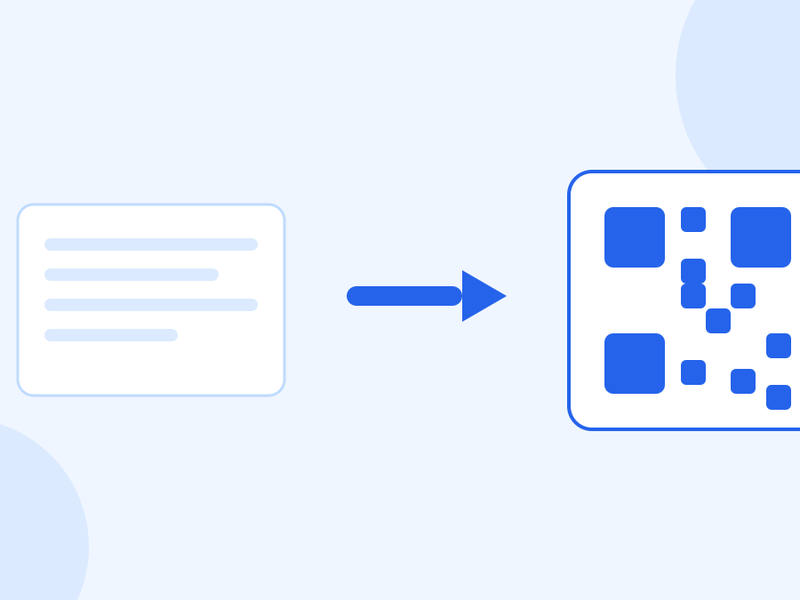
Yes, and you should — it is the only way printed material shows up in analytics as anything other than mystery traffic. Tag the destination, then encode the short link.
Why do my short-link clicks and my analytics sessions disagree?
They measure different moments. The redirect is counted when someone clicks; the analytics session only exists if the page finishes loading and the script runs. Blockers, slow connections and early back-taps all sit in the gap.
Decide your medium list, keep everything lower case, and never post the raw tagged URL. That is most of it.